

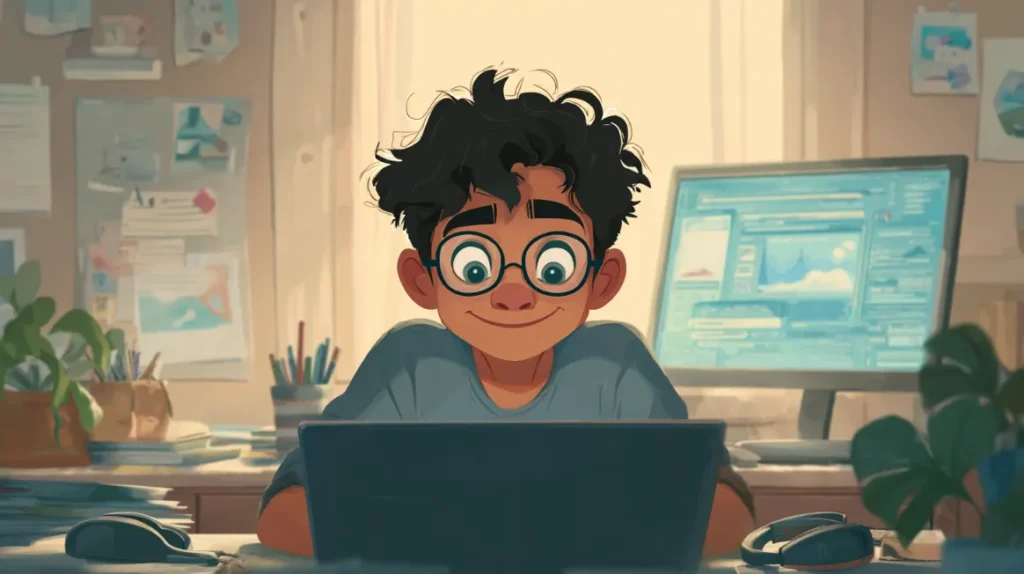
Coding for kids in home education is more than just a trendy skill — it’s fast becoming a core literacy of the future. Just as children learn to read and write, understanding the language of computers equips them to thrive in an increasingly digital world.
For parents, the idea of teaching coding can feel daunting, especially if you’ve never written a line of code yourself. But the good news is that there are countless free tools, resources, and communities that make coding accessible and fun.
Here are five powerful reasons why coding should be part of your home education journey — and how to get started, even if you’re a beginner.
1. Coding for Kids in Home Education Builds Future-Proof Skills
The digital world is expanding faster than ever, and many of today’s jobs didn’t exist a decade ago. From app development to artificial intelligence, coding underpins almost every modern industry.
By introducing coding for kids in home education, you’re not just teaching them how to use technology — you’re preparing them to create it. This gives your child a head start in problem-solving, logic, and computational thinking, skills that will serve them in any career.
2. Coding Develops Problem-Solving and Resilience
At its heart, coding is problem-solving. Children learn to break big challenges into smaller steps, test solutions, and adjust when things don’t work.
- When a program fails, they learn resilience.
- When they debug an error, they develop perseverance.
- When they finally get it right, they build confidence.
This growth mindset is one of the greatest benefits of coding for kids in home education — it nurtures persistence and critical thinking in a safe, playful environment.
3. Free Tools Make Coding Accessible to Everyone
You don’t need expensive equipment or courses to start coding at home. Some of the best platforms are completely free and child-friendly:
- Scratch (MIT) – Perfect for beginners aged 7+, uses drag-and-drop blocks to create games and stories.
- Code.org – Offers structured courses, fun challenges, and even themed lessons like Minecraft or Frozen coding.
- Tynker – Great for slightly older children, introducing real programming languages step by step.
- Python via Trinket or Replit – Simple, browser-based coding in one of the world’s most widely used languages.
- Codepen – More advanced HTML and CSS coding combined with YouTube tutorials works great for older children.
- Kevin Powell HTML & CSS Courses –Kevin Powell is well-known in the HTML/CSS world and has plenty of FREE courses that develop HTML and CSS skills for those seeking to become talented in web development.
By using these tools, parents can make coding for kids in home education affordable, practical, and fun.
4. Coding Encourages Creativity and Imagination
Coding isn’t just about numbers and logic — it’s a form of creativity. Children can design their own video games, animations, websites, and even apps.
For example, in Scratch, a child could:
- Design a maze game.
- Animate a story with characters they’ve drawn.
- Create an interactive quiz to share with family.
This blend of art and technology shows children that coding is a tool to bring their ideas to life. It makes coding for kids in home education an exciting way to connect creativity with practical skills.
5. Parents Can Learn Alongside Their Children
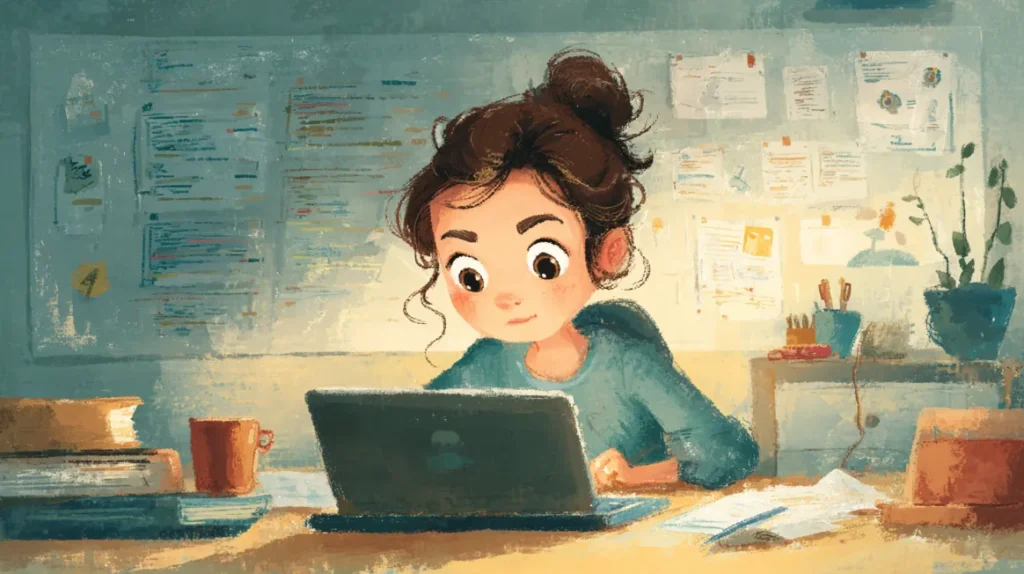
Many parents hesitate to introduce coding because they feel they don’t know enough themselves. But one of the hidden joys of coding for kids in home education is that you can learn together.
AI tools like ChatGPT can even help you explain coding concepts. For example:
- Ask: “Explain what a variable is in Python to a 9-year-old.”
- Answer: “A variable is like a labelled box where you can store numbers or words to use later.”
Learning together shows your child that it’s okay not to know everything and that curiosity is a lifelong skill.
How to Get Started With Coding at Home
Here are some simple steps to introduce coding into your home education routine:
- Pick a platform — start with Scratch or Code.org for younger children.
- Set aside time each week — even 30 minutes can make a difference.
- Do a project together — build a simple game, animation, or quiz.
- Connect with other families — share progress and ideas in our Home Ed. Circles community.
- Save money on resources — check our HomeEd Discounts for deals on coding tools and software.
And don’t forget — we share tutorials and inspiration on our YouTube Channel.
Final Thoughts
Coding for kids in home education is one of the most valuable gifts you can give your child. It builds future-proof skills, encourages problem-solving, fosters creativity, and gives families a chance to learn together.
With free tools, accessible resources, and a supportive community, getting started is easier than you think.
👉 Ready to take the first step? Join our Home Ed. Circles community today and discover how coding — and so much more — can enrich your home education journey.