

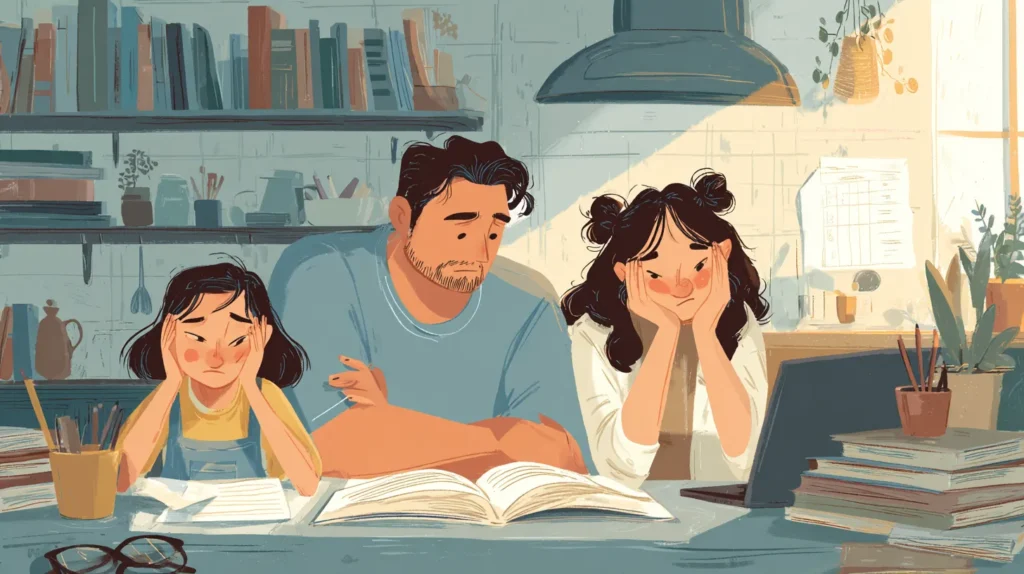
When people hear the words home education, one of the first questions they ask is: “But what about socialisation?” It’s a fair concern — many imagine children learning in isolation at the kitchen table, with little chance to make friends or join activities.
The truth is very different. Socialisation in home education is not only possible — it can be richer, more flexible, and more meaningful than traditional schooling. In this post, we’ll explore why home education doesn’t mean learning alone, and how families can create thriving social opportunities for their children.
The Myth of Isolation in Home Education
The idea that home-educated children lack social contact is one of the biggest misconceptions parents face. In reality, most families quickly discover that their children’s calendars are often busier than those in school — with group activities, community events, and regular meetups forming the backbone of their learning.
At Home Ed. Circles, we’ve seen how families use socialisation in home education to create circles of friendship, support, and discovery. Far from being isolating, it often opens the door to more diverse and positive relationships.
Why Socialisation in Home Education Matters
Children learn best not just from books, but from interactions, play, and collaboration. Social opportunities in home education allow children to:
- Build friendships naturally — forming connections with peers who share similar interests.
- Develop communication skills — through discussions, teamwork, and problem-solving.
- Explore diversity — meeting families from different backgrounds, ages, and cultures.
- Gain confidence — through activities like drama groups, sports, and presentations.
A strong home education community helps ensure children don’t miss out, but instead enjoy more meaningful social experiences tailored to their needs.
Where Does Socialisation Happen in Home Education?
Socialisation looks different for every family, but common opportunities include:
1. Weekly Meetups and Learning Circles
Groups of families meet regularly in parks, libraries, or community halls to share lessons, crafts, and discussions.
2. Outdoor Learning
From forest schools to science in the park, the outdoors provides endless chances to learn together.
3. Clubs and Classes
Sports, music, dance, coding, drama — many home-educated children join extracurricular clubs that broaden their friendships.
4. National and Local Events
Home education conferences, online workshops, and family learning days bring communities together across regions.
These diverse opportunities mean socialisation in home education is active, engaging, and far from limited.
Parents Benefit Too
Socialisation isn’t just about children — it’s about parents too. Teaching at home can sometimes feel overwhelming, but being part of a supportive home education community helps parents:
- Share resources and teaching strategies.
- Ask questions and get advice from experienced families.
- Build lasting friendships and support networks.
Home Ed. Circles was created with this in mind: to make it easier for parents to connect, learn, and grow together.
How Home Ed. Circles Supports Socialisation in Home Education
We built Home Ed. Circles to make community building simple and accessible. Our platform helps families:
- Discover activities and adventures in your area — with our searchable Circles page.
- Connect with parents nationwide — via our community hub.
- Access resources and expert guidance — including workshops and training for parents.
- Join national events online and offline — from subject specialists to casual meetups.
In other words, we take the scattered pieces of socialisation in home education and bring them into one easy-to-access platform.
The Real Story of Socialisation in Home Education
Instead of being isolated, home-educated children often thrive socially because they:
- Mix with people of all ages, not just their own year group.
- Have the freedom to follow interests that lead to genuine friendships.
- Experience less peer pressure and more positive group dynamics.
- Build resilience through varied real-world experiences.
Socialisation isn’t just possible in home education — it can actually be better, deeper, and more rewarding.
Final Thoughts
The myth that home education means learning alone is quickly disappearing as more families experience the benefits of flexible, child-centred learning. With meetups, clubs, events, and communities like Home Ed. Circles, socialisation in home education is alive, thriving, and central to every family’s journey.
If you’re considering home education, know this: your child will not miss out on friendships or experiences. In fact, they may gain more meaningful connections than ever before.
Join Home Ed. Circles today and discover how your family can connect, share, and grow as part of a thriving home education community.
…Don’t forget to subscribe to our YouTube Channel too!