
I came across a saying recently that really made me pause and reflect on Individualised Learning in Home Education:
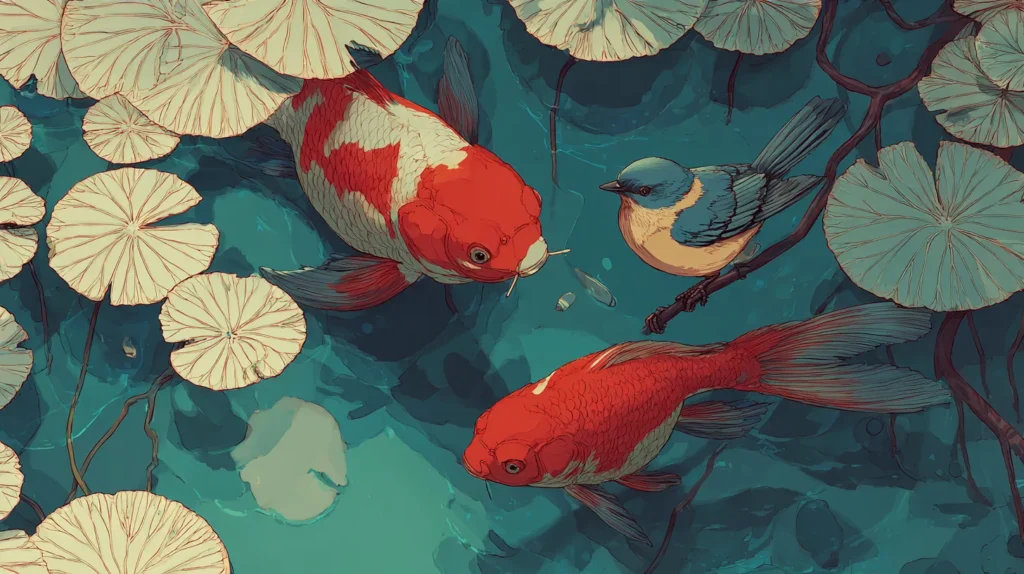
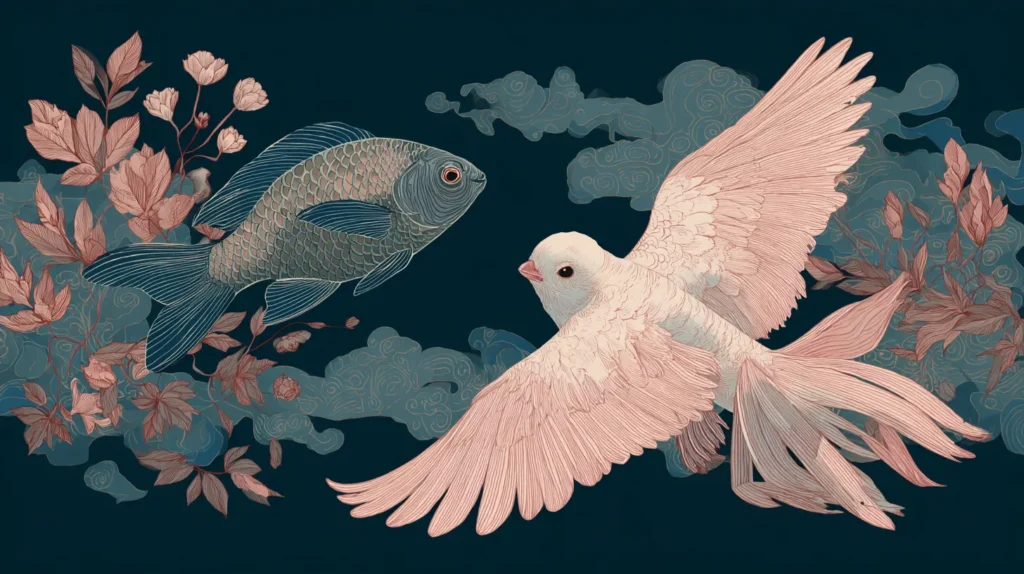
“Here no fish will be forced to fly, and no bird will be forced to swim.”
This phrase, once written on the walls of Ottoman schools, has become a personal reminder of what education should be — nurturing, not forcing. It’s about recognising the natural abilities of each learner rather than expecting every child to learn in the same way.
As I think about my own life, career, and my children, this motto feels even more powerful. For me, it perfectly sums up the importance of individualised learning in home education.
My Own Struggles With Learning
At Primary school, I struggled. Maths didn’t come easily at first, and I often felt like I was falling behind my peers. It wasn’t until around Year 9 that something finally clicked. From then on, I began to excel in Maths, a subject that would later shape my entire career.
I went on to become a Head of Maths, and eventually a Headteacher. Yet I never forgot those early years of struggling — of feeling like a “fish being asked to fly.” Those experiences taught me that potential doesn’t always show itself early, and that children need different approaches to reach their best.
Seeing the Same Struggles in My Children
As a parent of four, I’ve seen both sides of the story. My two eldest thrived in traditional schooling. They adapted well to the system and did really well academically. But with my twins, I saw familiar struggles return.
They are bright, curious, and full of potential, but they learn differently. Some subjects come easily, others feel like a battle. That’s when the “fish and bird” motto hit home again. My twins didn’t need to be compared to others — they needed learning that recognised their strengths and gave them tools to grow in their own way.
This is where individualised learning in home education shines. It’s about realising that just because a child struggles in one subject doesn’t mean they aren’t capable of excelling in another. Every child has no ceiling when given the right support and the right approach.
The Power of Individualised Learning in Home Education
Individualised learning in home education allows parents to:
- Adapt teaching methods to suit each child’s unique style.
- Use flexible approaches such as visual models, hands-on activities, or storytelling.
- Focus on progress and confidence rather than comparison.
- Celebrate strengths while supporting weaknesses without shame.
This flexibility is one of the greatest gifts of home education. A child who loves stories can learn history through narratives. A child who struggles with abstract maths can thrive using visual strategies like the bar model approach. A child who dislikes writing essays may shine through presentations or debates.
No Ceiling on Potential
One of the most important lessons I’ve learned — both as a teacher and as a father — is that every child has unlimited potential.
- Struggling in a subject doesn’t define a child’s intelligence.
- Excelling in another doesn’t mean there’s nothing left to learn.
- With the right support, children can develop problem-solving skills, resilience, and confidence.
The goal of education should be to help children discover what they are capable of — not to force them into the wrong mould. That’s what the fish and bird motto really means.
Building a Community That Understands
This philosophy is exactly why we created Home Ed. Circles. Parents shouldn’t have to feel alone in navigating the challenges of education, and children shouldn’t be made to feel “less than” simply because they learn differently.
At Home Ed. Circles, we’re building a supportive home education community where families can share resources, exchange experiences, and discover new approaches. We’re also sharing advice and inspiration on our YouTube Channel, with workshops and resources to help parents find methods that work.
Most importantly, you can register for our free Home Ed. Circles community here and connect with families who share the same vision: that no child should be forced into a mould that doesn’t fit them
Final Thoughts
That Ottoman saying — “Here no fish will be forced to fly, and no bird will be forced to swim” — has become a guiding motto for my own journey in education.
As someone who struggled in Primary school, later excelled in Maths, and became a Headteacher, I’ve seen both sides. As a parent of four, I’ve celebrated children who thrived in the system and supported twins who needed a different approach. And through it all, I’ve realised that individualised learning in home education is not just valuable — it’s essential.
It reminds us that every child has unique strengths, untapped potential, and the ability to shine when given the right opportunities.
If you believe the same, join us at Home Ed. Circles and help us build a community where no child is ever asked to swim when they were born to fly.