
For many parents, maths is the subject they worry most about when home educating. The fear of “Am I teaching it right?” or “What if my child doesn’t get it?” is common. The good news is that with the right methods, maths doesn’t have to be intimidating — for you or your child.
One of the most powerful ways to build strong mathematical understanding is through visual approaches to learning maths. This method doesn’t just teach children how to do maths — it helps them understand why it works, developing skills that last a lifetime.
Why Visual Approaches Work for Every Child
When some people hear about visual methods, they assume they’re only for children who “struggle” with maths. Nothing could be further from the truth.
Visual approaches to learning maths are just as important for children who excel. Many high-achieving students can produce correct answers quickly, but when asked “How do you know?” or “Can you explain why it works?” they often shrug their shoulders. They know the steps, but not the reasoning.
By moving through concrete, pictorial, and abstract representations (the CPA approach), children deepen their understanding and gain the language to explain their thinking. This is what transforms a child from someone who can “do maths” into a true mathematician.
Jerome Bruner and the CPA Approach
Psychologist Jerome Bruner showed that children learn best when they move through three stages:
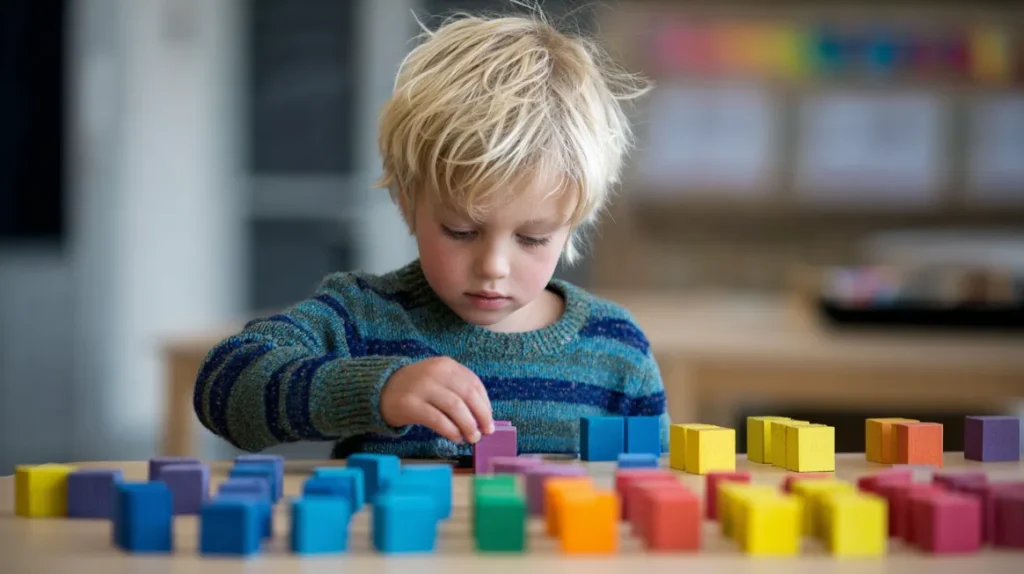
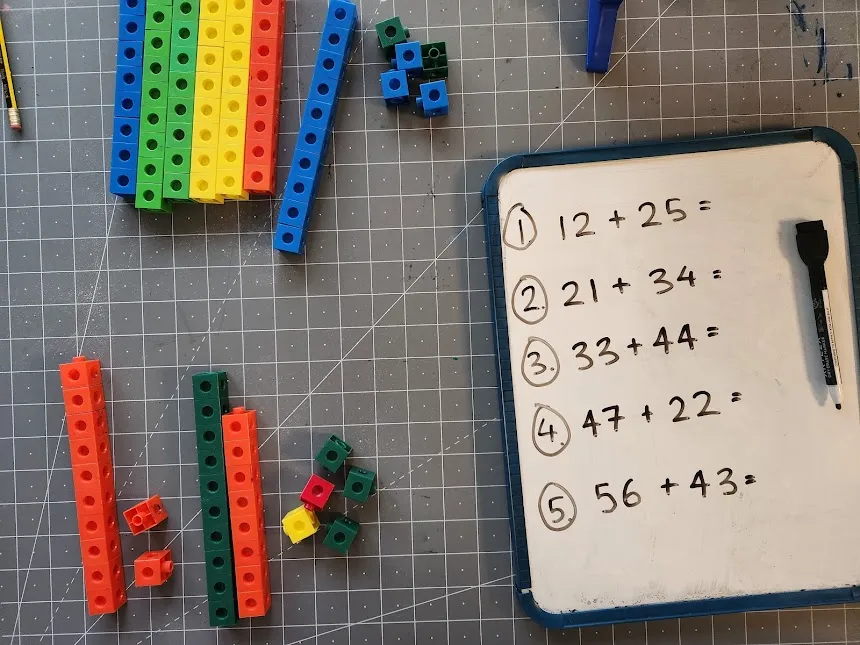
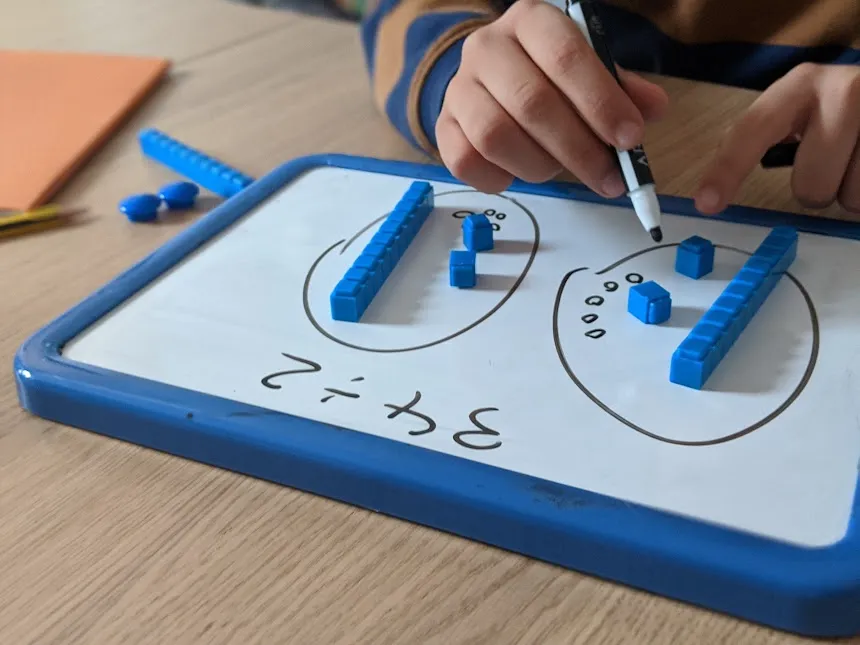
- Concrete (Enactive): Using objects like cubes, counters, or coins.
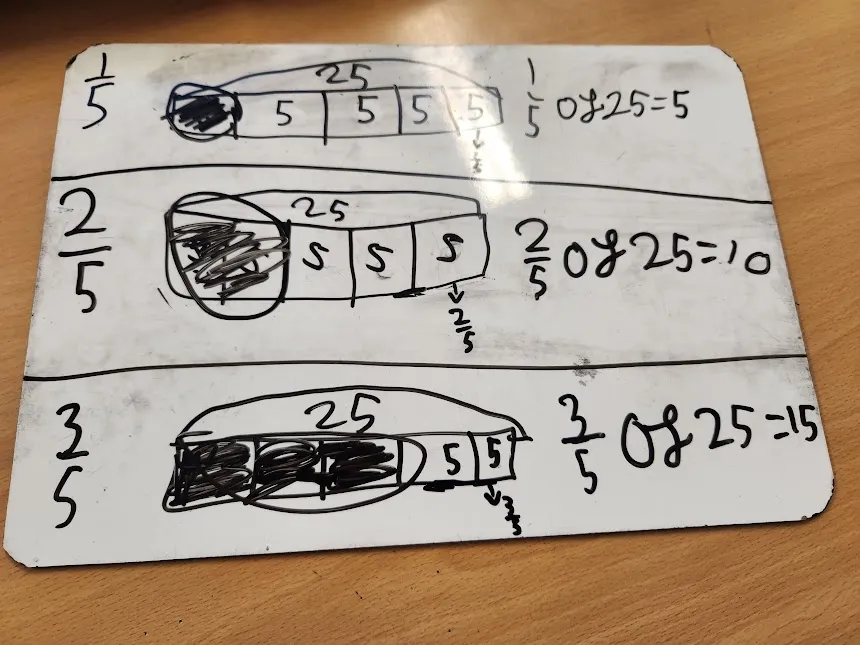
- Pictorial (Iconic): Drawing diagrams or using bar models to represent problems.
- Abstract (Symbolic): Working with numbers and mathematical symbols.
Instead of jumping straight to abstract equations, children explore and see the maths first. For example, before solving “7 + 8”, they might:
- Use 7 counters, then add 8 more.
- Draw a bar model to show how the two numbers combine.
- Then write the calculation 7 + 8 = 15.
This process gives them confidence, deeper understanding, and the ability to explain.
Zoltan Dienes: The Power of Play and Questioning
Mathematician and educator Zoltan Dienes also shaped how we use visual approaches to learning maths. His principles emphasised:
- Multiple representations — showing the same concept in different ways.
- Structured play — using games and concrete materials to explore patterns.
- Progressive questioning — asking “what happens if…?” and “can you show me another way?”
Through Dienes’ methods, children don’t just practise procedures — they develop reasoning and flexibility, key ingredients for long-term mathematical success.
Problem-Solving: The Missing Piece
One of the biggest weaknesses children face today is problem-solving. Many can complete arithmetic quickly but become stuck when faced with multi-step word problems.
This is where visual methods, such as the bar model approach, shine. By drawing out the problem, children can:
- Identify what the question is really asking.
- Break complex problems into smaller, manageable parts.
- Visualise relationships between numbers.
- Develop strategies for solving, rather than guessing.
For example:
A farmer has 24 apples. He sells 9. How many does he have left?
- With a bar model, children draw a long bar of 24, then mark off 9. The remainder is clear.
As problems grow in complexity, bar models remain a powerful tool for representing and reasoning.
How Parents Can Use Visual Approaches at Home
The beauty of visual approaches to learning maths is that they’re not just for classrooms — parents can use them easily too. Here’s how:
1. Start with Objects
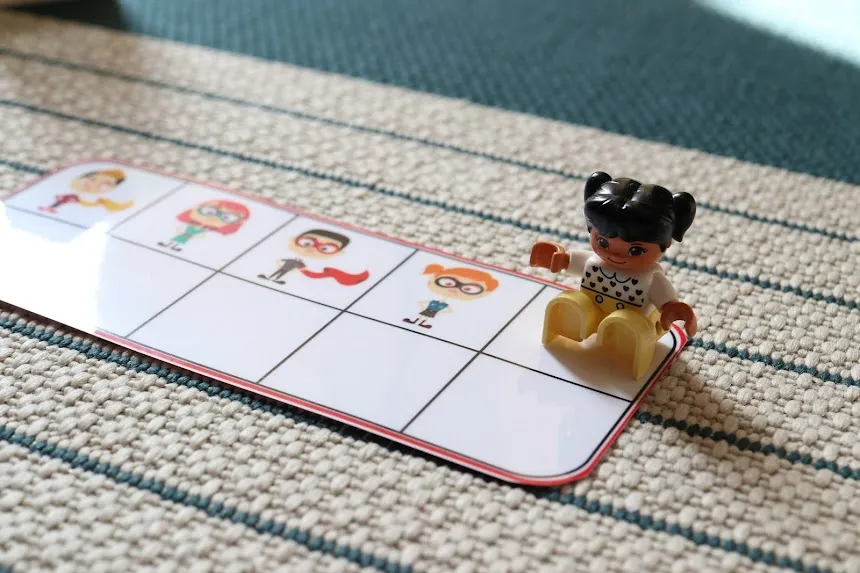
Use Lego, pasta, or coins to explore numbers. Physical manipulation makes abstract concepts concrete.
2. Encourage Drawing
Have your child draw pictures or bar models to represent problems. A sketch can unlock understanding.
3. Ask “Why?”
Don’t just stop at the right answer. Ask your child to explain their reasoning or show a different method.
4. Explore Patterns
Play with dominoes, number grids, or shape puzzles. Maths is everywhere — spotting patterns builds fluency.
5. Connect to Real Life
Turn shopping trips, baking, or travel into opportunities to measure, estimate, and calculate.
Benefits for All Learners
By adopting visual approaches to learning maths, families see benefits across the board:
- Struggling learners gain confidence and clarity.
- High achievers learn to explain and justify, not just answer.
- All children strengthen reasoning, problem-solving, and communication skills.
- Parents often rediscover maths themselves, understanding it in ways they never did at school.
Final Thoughts
Maths isn’t about memorising steps or chasing quick answers. It’s about understanding, reasoning, and solving problems. Visual approaches to learning maths — built on Bruner’s CPA approach and Dienes’ principles of play and questioning — give children the tools to excel, no matter their starting point.
If you’d like structured support in these methods, we highly recommend Singapore Maths Academy — a specialist tuition service that brings the CPA approach to life for children of all ages. For teachers and parents looking to deepen their own practice, The Bar Model Company provides excellent CPD and resources focused on problem-solving and visualisation.
We’re excited to share that Home Ed. Circles will be working with The Bar Model Company to deliver exclusive workshops for home educating parents — equipping you with the tools to support your child with confidence.
Alongside these partnerships, we’ll also be sharing regular tips and guidance on our YouTube Channel, where you can watch and learn at your own pace.
And if you haven’t already, make sure to register for our free Home Ed. Circles community — a space to connect with other parents, share experiences, and discover activities near you.
At Home Ed. Circles, we believe every family should have access to methods that bring maths to life. Whether your child struggles or excels, visual approaches help them see, explain, and enjoy maths in ways that last a lifetime.